
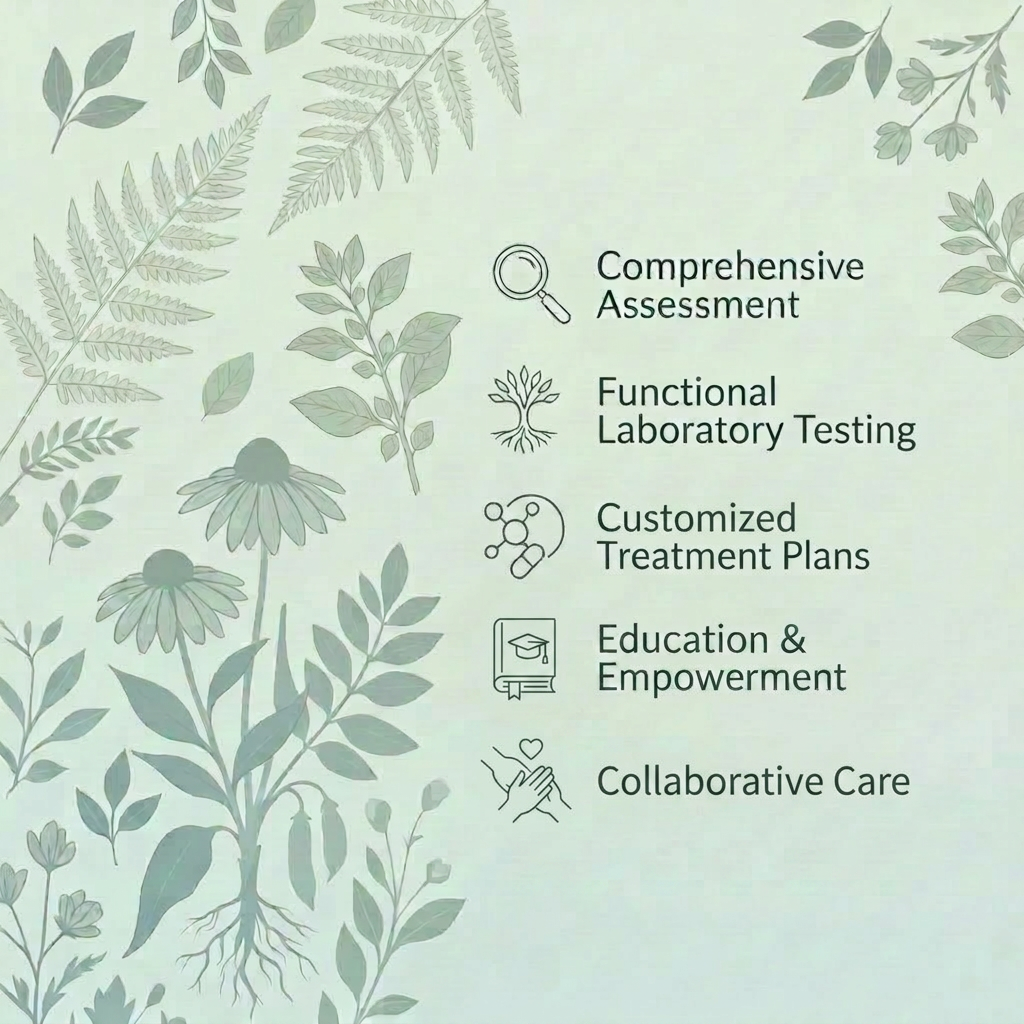
My Clinical Approach to Autoimmune Disease
Explore your health one clear step at a time. I’ll break down complex autoimmune patterns into manageable stages so you can track progress, understand what’s happening in your body, and stay involved in every decision.
Clinical Steps
Step 1: Comprehensive Assessment
Initial visits involve an in-depth review of:
Medical history
Laboratory results
Diet and nutrition
Digestive health
Sleep
Stress patterns
Hormonal health
Environmental exposures Medication and supplement use
Whole-body Review of Systems
Step 2: Identifying Drivers of Inflammation
Common contributors may include:
Dietary triggers
Gut dysbiosis
Intestinal permeability
Sleep disruption
Chronic stress and infections
Nutrient deficiencies
Hormonal imbalances
Environmental exposures
These factors can influence immune regulation and inflammatory signalling.
Step 3: Nutrition & Gut Health
Nutrition is often the foundation of autoimmune care.Areas commonly addressed include:
Anti-inflammatory dietary strategies
Elimination diets when appropriate
Nutrient density
Gut microbiome support
Digestive function
Long-term Mediterranean-style nutrition patterns
Your presentation places diet and gut health as central pillars of autoimmune management.
Step 4: Evidence-Based Natural Therapies
When appropriate, treatment plans may include:
Targeted Nutritional supplementation
Pre and Probiotics
Herbal medicine
Stress-management strategies
Lifestyle interventions
Visceral manipulation
Acupuncture
All recommendations are individualized based on patient history, medications, and clinical presentation.
Step 5: Comprehensive Lab Testing When Necessary
Common assessments may include:
Inflammatory markers
Nutrient status (Vitamin D, B12, iron, zinc, magnesium, folate)
Thyroid function assessment
Hormone evaluation
Digestive and gut health testing
Stool analysis
SIBO breath testing
Food sensitivity testing (when appropriate)
Cortisol and stress hormone assessment
Environmental exposure screening
Results are interpreted alongside your symptoms, medical history, and conventional laboratory findings to help guide a personalized treatment plan.
Step 6: Collaborative Care
Autoimmune diseases are often complex and benefit from a team-based approach.
I work collaboratively with your family physician, medical specialists, and other healthcare providers to ensure your care is coordinated, evidence-informed, and complementary to your existing treatment plan. My goal is to support your overall health while helping you navigate your condition with confidence.
Clinical Focus Areas
Dietary and Lifestyle Counselling
Nutrition is a cornerstone of autoimmune care. My dietary recommendations focus on nutrient-dense whole foods that support immune function, reduce inflammatory burden, and optimize overall health. When appropriate, temporary and targeted elimination protocols may be used to help identify potential dietary triggers while maintaining a balanced, sustainable, and nutrient-rich diet.
Lifestyle factors can have a significant impact on immune regulation, inflammation, and overall well-being. Recommendations may include strategies to improve sleep quality, stress resilience, physical activity, circadian rhythm balance, and other daily habits that support long-term autoimmune health and reduce the risk of symptom flares.
Nutritional Supplement Recommendations
Nutritional supplements are recommended to address nutrient deficiencies, support immune regulation, promote healthy inflammatory responses, and complement dietary and lifestyle interventions.
Rather than relying on a one-size-fits-all approach, I consider the patient’s symptoms, health history, medications, diet, lifestyle factors, and disease patterns to develop a safe and effective supplementation plan. Nutraceutical recommendations are thoughtfully integrated alongside dietary and lifestyle interventions to support the body’s innate capacity for healing and long-term resilience.
Botanical Medicine
Botanical medicine has a long history of use in supporting inflammatory and immune-related conditions. Evidence-informed herbal therapies may be used to help modulate inflammatory pathways, support gut health, promote stress resilience, and encourage healthy immune function. Recommendations are carefully selected based on your individual presentation, health history, medications, and treatment goals.
One of the unique aspects of my practice is the development of individualized herbal formulas designed specifically for each patient. Drawing on both traditional herbal medicine and current research, I carefully combine botanicals to address the underlying factors contributing to symptoms while supporting overall health and resilience. These customized tinctures and formulations are regularly refined throughout treatment to reflect your progress, response, and evolving clinical needs.
Flare Management Strategies
My approach to flare management focuses on empowering patients with individualized strategies to recognize early warning signs, identify personal triggers, and develop practical tools to navigate periods of increased disease activity.
Together, we develop a proactive flare management plan using targeted nutrition, lifestyle strategies, stress support, and therapeutic interventions to reduce symptoms, promote recovery, and help patients confidently navigate disease activity while supporting long-term health and resilience.
Immune System Modulation
My approach to immune system modulation focuses on supporting balanced immune function rather than simply suppressing immune activity. Autoimmune conditions often involve complex interactions between immune signaling, inflammation, oxidative stress, and regulatory pathways.
Glutathione, a key antioxidant and cellular defense molecule, plays an important role in maintaining immune balance by helping regulate oxidative stress and supporting appropriate immune cell function. Low glutathione levels may contribute to increased oxidative burden, impaired immune regulation, and a shift toward a more pro-inflammatory state. Through targeted nutrition, lifestyle strategies, and individualized therapeutic support, I work to enhance the body’s natural regulatory mechanisms, promote immune resilience, and support healthier inflammatory responses.
Chronic Infections & Autoimmune Disease
Chronic infections can play an important role in immune system dysregulation and may contribute to the development, persistence, or exacerbation of autoimmune disease in susceptible individuals. Ongoing exposure to infectious triggers can stimulate prolonged immune activation, increase inflammatory signaling, and place additional stress on the body’s regulatory mechanisms.
In some cases, chronic infections may contribute to immune confusion through processes such as molecular mimicry, where immune responses directed at infectious organisms may also target the body’s own tissues. Persistent immune activation can also increase oxidative stress, disrupt gut barrier function, and contribute to autoimmune flares. As part of a comprehensive assessment, I consider the potential role of chronic infectious burden and its impact on immune balance, while supporting overall immune resilience and recovery through individualized treatment strategies.
Gut Health & Digestive Function
Recognizing the important connection between the gut and immune regulation, my approach to digestive health focuses on identifying and addressing factors that may contribute to inflammation and immune imbalance.
The gut microbiome plays a critical role in immune education and regulation, and imbalances in microbial diversity, gut barrier integrity, and intestinal function may contribute to increased immune activation and autoimmune disease progression. Through personalized nutrition strategies, targeted dietary interventions, and supportive therapies, I work to restore digestive function, promote a healthy microbiome, optimize nutrient absorption, and support intestinal barrier function. By addressing gut health as a foundation of autoimmune care, we aim to reduce inflammatory burden, support immune balance, and improve overall resilience.
Hormones & Autoimmunity
Hormonal balance plays an important role in regulating immune function, inflammation, and the body’s ability to maintain immune tolerance. Hormones such as cortisol, estrogen, progesterone, thyroid hormones, and insulin influence immune signaling pathways and can impact the balance between pro-inflammatory and regulatory immune responses.
Changes in hormone levels, chronic stress, reproductive transitions, thyroid dysfunction, or metabolic imbalances may alter immune activity and contribute to increased symptom severity or autoimmune flares. Through comprehensive assessment of hormonal patterns and individualized support strategies, I work to identify and address factors that may be contributing to immune dysregulation, helping patients achieve greater stability, resilience, and overall well-being.
Stress Resilience & Nervous System Support
Recognizing the significant relationship between the nervous system, stress response, and immune regulation, my approach focuses on supporting resilience and restoring balance within the body’s stress pathways. Chronic stress and dysregulation of the stress response can influence inflammatory signaling, immune activity, sleep quality, and overall disease patterns.
Circadian rhythms play a key role in regulating cortisol patterns, immune function, metabolism, and cellular repair; disruptions to sleep-wake cycles and daily routines may contribute to increased inflammation and reduced immune resilience. Through personalized lifestyle strategies, nervous system regulation techniques, sleep optimization, and targeted support, I help patients build greater stress resilience and create the physiological conditions needed to support long-term autoimmune health.
 Autoimmune Naturopath